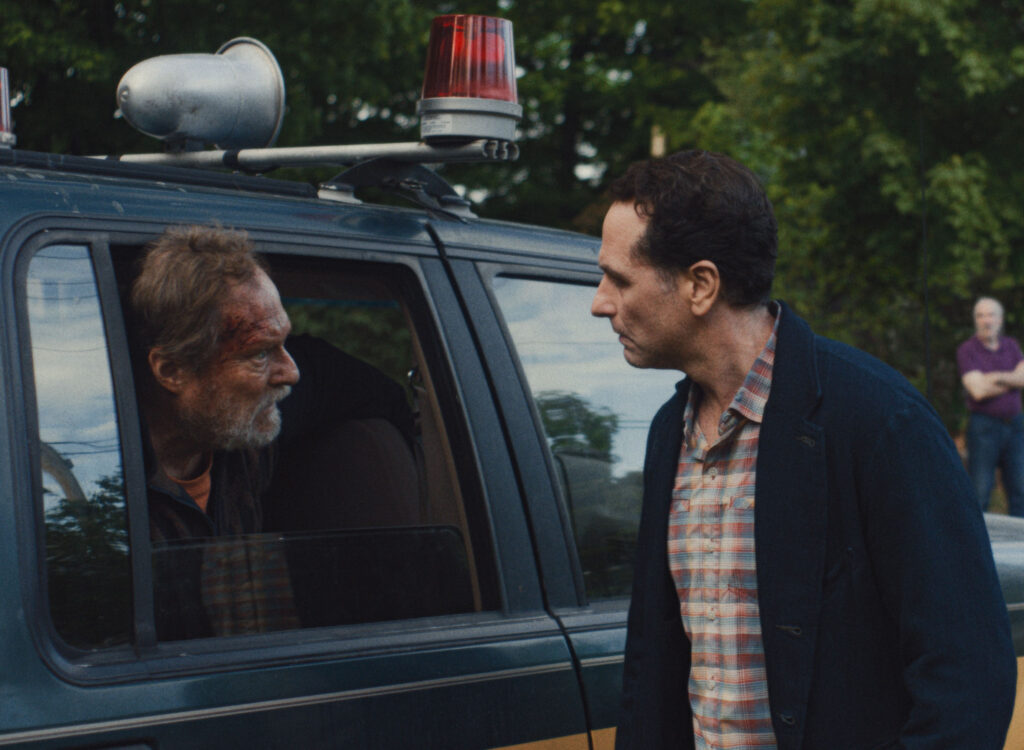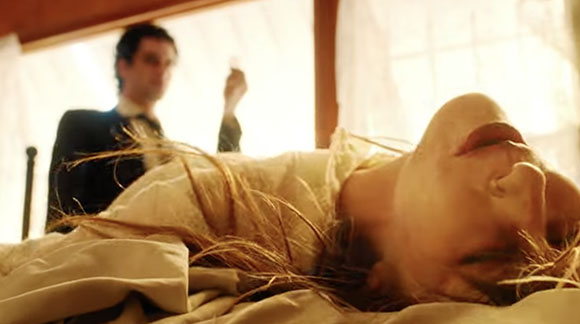
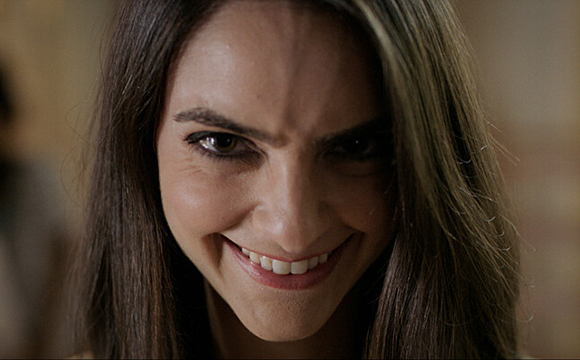
NEW YORK CITY — The Paramount Pictures horror film Smile has taken in more than $100M domestically, despite having just a $17M production budget.. Directed by Parker Finn, the feature centers on Dr. Rose Cotter (Sosie Bacon), who witnesses a bizarre and traumatic incident involving one of her patients, and then begins having her own frightening occurrences. In addition to Bacon, the film stars Jessie T. Usher, Kyle Gallner, Robin Weigert, Caitlin Stasey, Kal Penn and Rob Morgan.
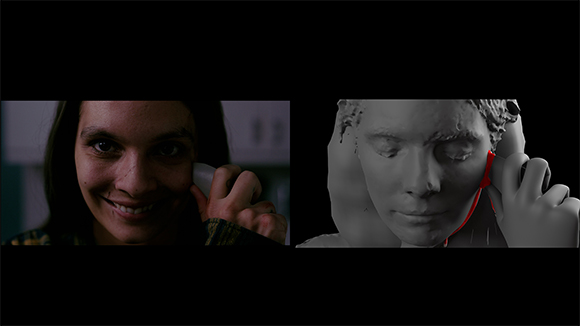
The-Artery’s (www.the-artery.com) founder/CCO Vico Sharabani and director/CD Yuval Levy co-supervised the visual effects for the film and said they were very engaged with the story from the beginning.
“We felt the director had a very special approach to the narrative,” recall the duo. “Parker wasn’t at all afraid to really show the madness. He had a lot of reverence for the genre and really pushed the physical production and the post — editorial and VFX — to lean into it. He did an excellent job with this film and we’re very happy to have played such a significant role in helping him to achieve his creative goals.”
Finn’s vision for some of the shots included very complex imagery that was always grounded in reality. The visual language, says The-Artery team — was challenging.
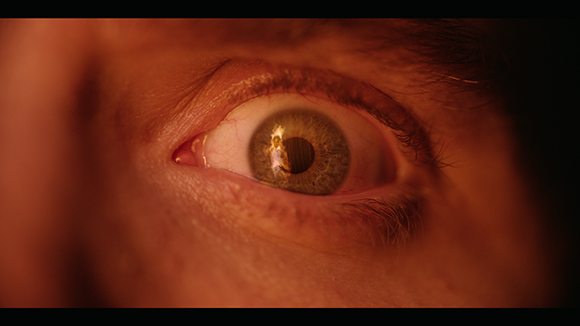
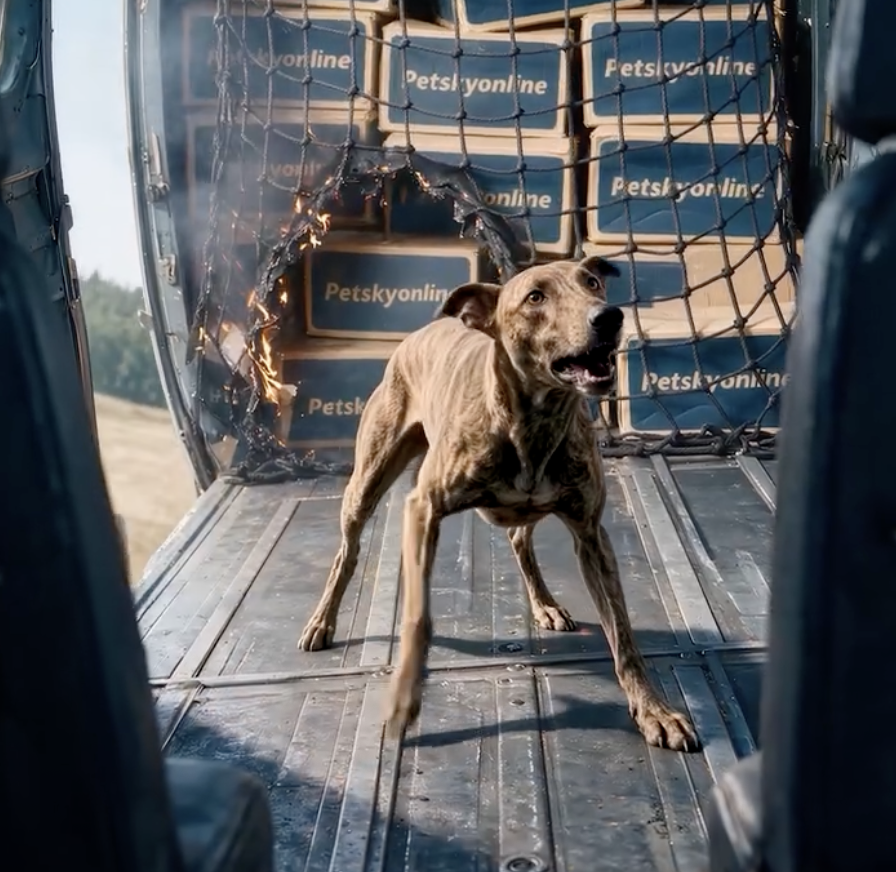
“There were very long expository shots,” they recall. “Everything happens in front of the camera and in realtime. The realism was critical and we were dealing with organic materials: fire, skin tissue, blood, human body defamation – i.e. monsters on fire, on-camera mayhem that the camera studies – there is no looking away. We needed to replicate them exactly — blending CG elements directly with the practical, precisely matching the principal photography in each VFX shot. In all, we created over 17 minutes of original visual effects.”
The VFX team planned each shot very carefully using previz for some of the more complex shots and taking into account the different methodologies required for each. Multiple 3D scans and practical, on-set information was used, along with physical elements from the shoot.
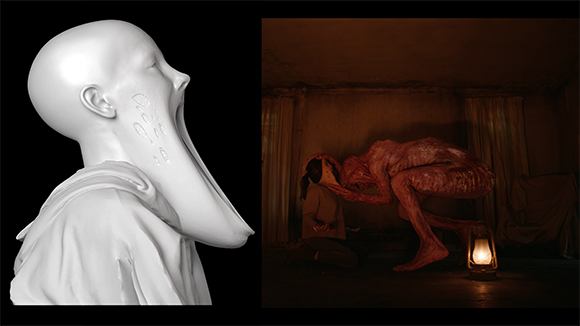
“As much as we had a very deliberate plan, as the creative developed and we moved into editorial, we sometimes had to think outside the box to develop the right solution. We knew we would have to rely on our most trusted artists — masters of their craft — a small, very tightly-knit and collaborative group — combining many different disciplines to be able to deliver these shots at the highest cinematic level.”