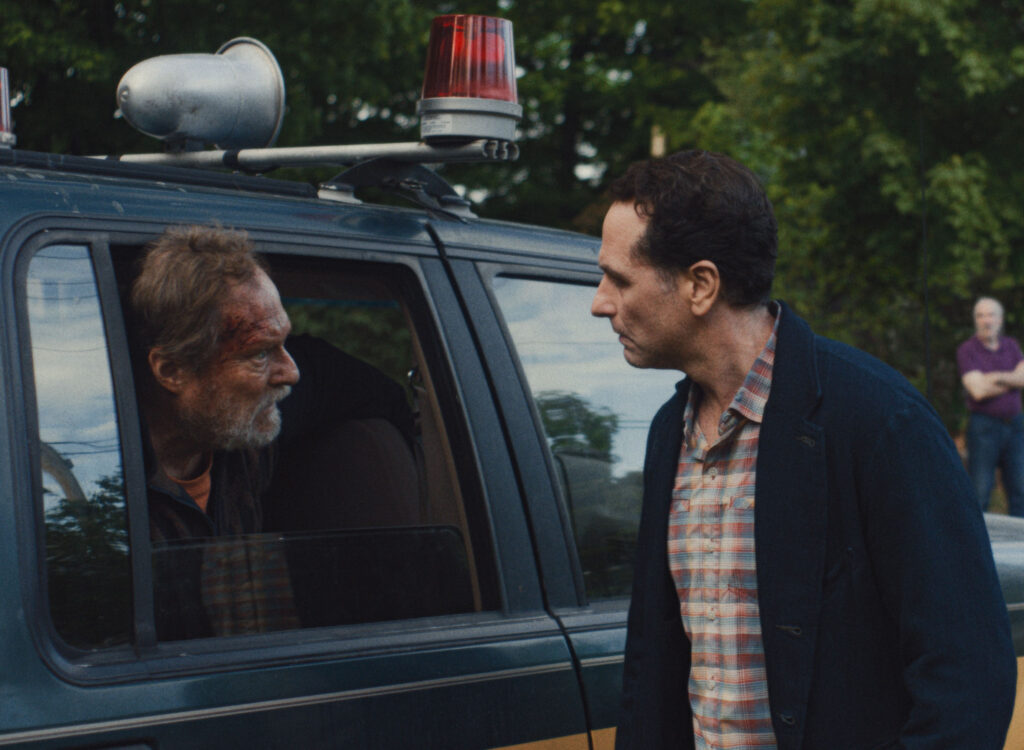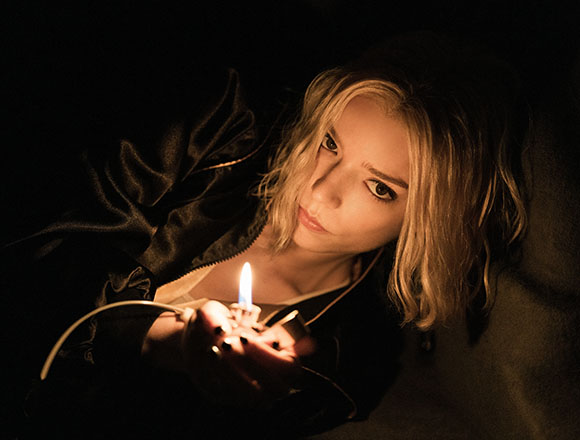
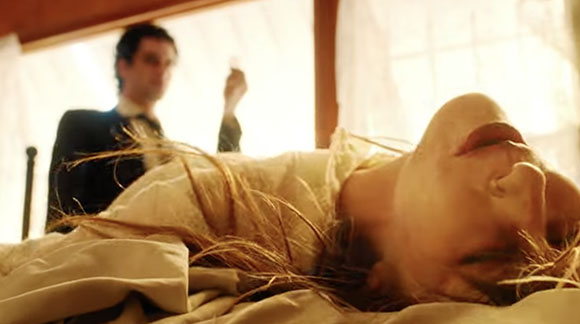
Los Angeles-based indie rocker Brookelen recently shared the first taste of her third EP, “Dark Side of the Sun,” set for release on October 23rd via Soliloquy Records. The Hide music video plays as a heavy, cathartic track that shines a light on demons.
Hide is part performance, part story, with Brookelen exploring themes of religion, trauma, sexuality and demons.
“This is my exorcism song,” she states of the single. “It’s about rooting out the pain, calling it out of hiding. Demons don’t like light. This song is for shining a light on your demons.”
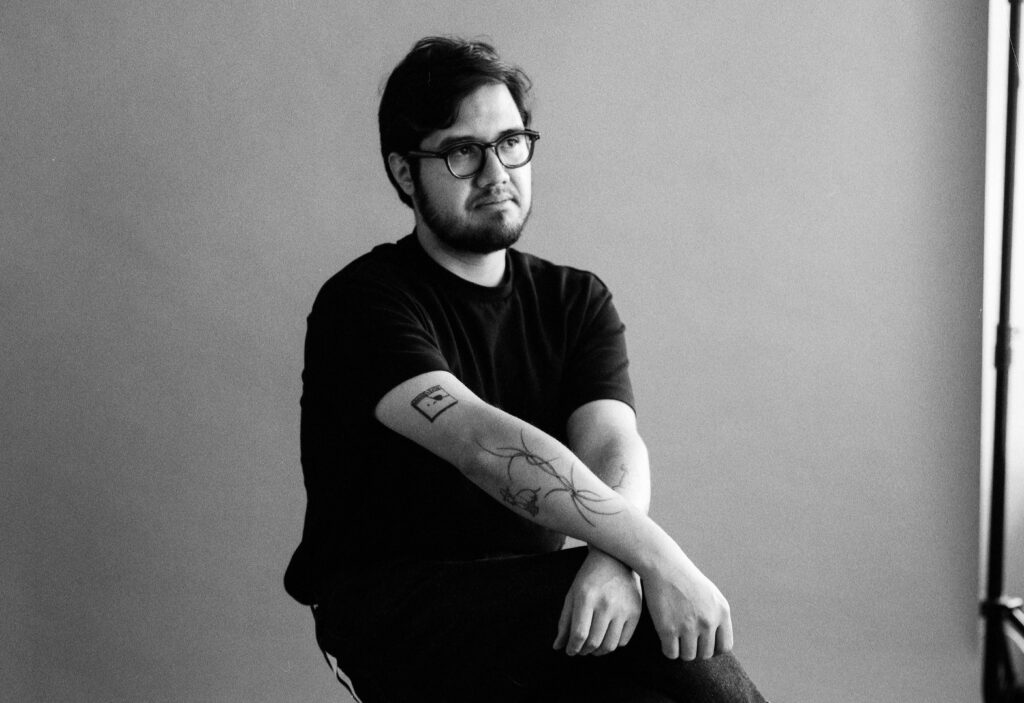
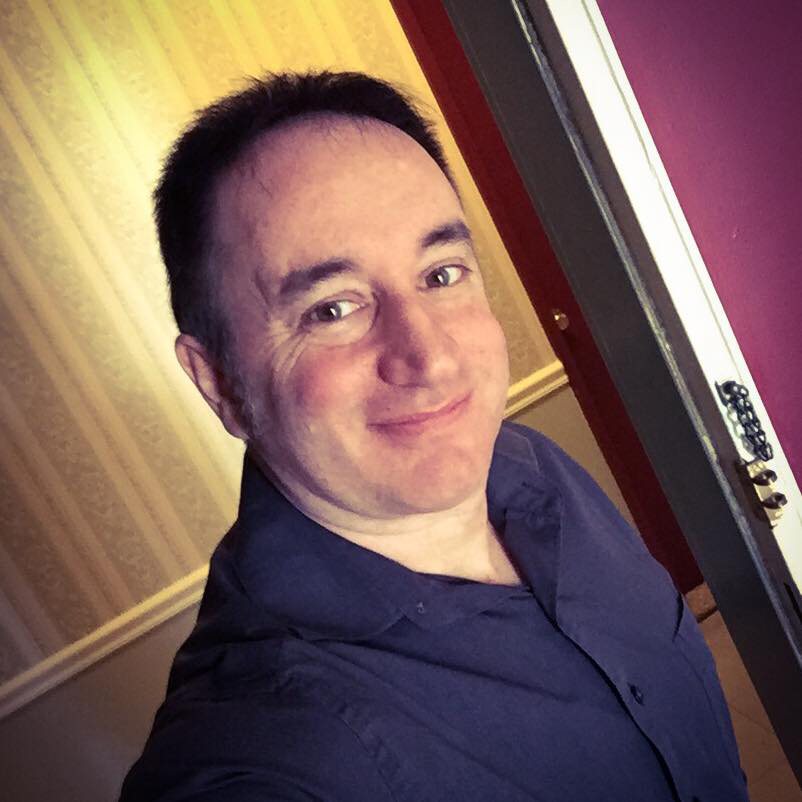
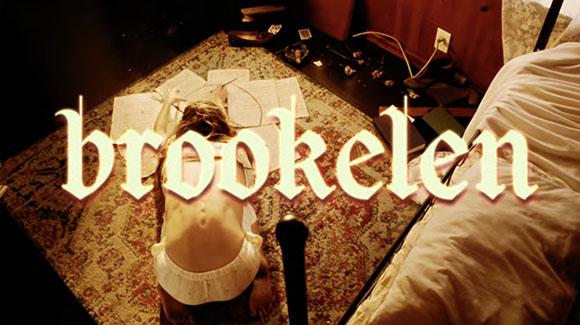
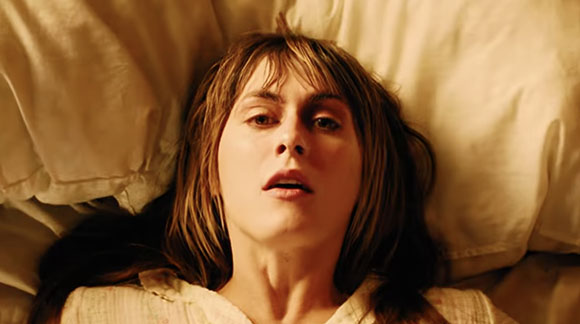
Connor Rousseau served as co-director on the project, working alongside Roman Defoe. The video was shot over two days, with the narrative portion – an exorcism – captured at Brookelen’s home, where Defoe transformed a bare room into the horror setting.
The shoot’s second day was spent in a much darker library space, where the band performs the guitar-driven track.
“We wanted a library space, but many public ones either didn’t match the vibe or were too expensive from permits,” Rousseau shares. “We found a wonderful Jewish church in Glendale that supported the arts and allowed us to film all the performance pieces.”
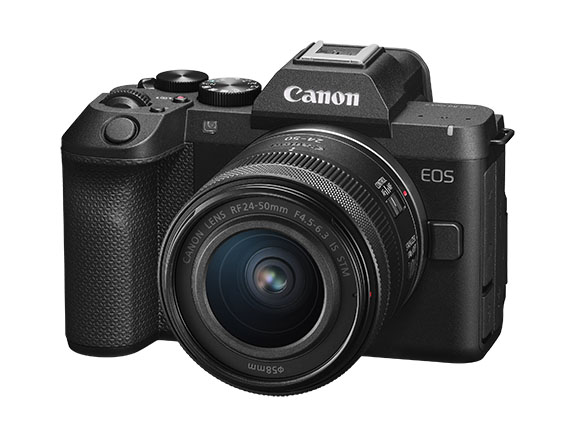
Almost the entire project was captured by director of photography Nicole Pasto using an Arri Alexa Mini camera, equipped with a Canon TLS FD lens, though a few pickups were recorded on Blackmagic Design’s Ursa 4.6K, paired with vintage Takumar lenses. Rousseau edited the project in DaVinci Resolve, working from his home setup, which represents his typical workflow.
“Before shooting this project, we pre-planned every shot, knowing the exact moments we were going to use them so as to not waste time on-set and be efficient,” he shares. “A lot of our inspiration originally came from scenes in films like Constantine (2005), The First Omen(2024), Nine Inch Nails, Mandy and Mark Romanek. Once all placed in order, the cut just fell together in our lap and it became picking shots that felt most impactful and had the most personality for the performers.”
Finding the library location represented one of the biggest challenges in pulling the whole project off. Once the shoot was complete, the edit came together in less than a week.
“I can’t stress enough how important pre-planning your edit is, since it allowed our workflow to be so efficient in post,” Rousseau states. “Most of the decision making came between me and Roman for the edit. Once we felt it was good, we would ship it off to the artist to give more technical notes. I think the same way with an actor. You should try for talent not to see how they look in their projects till it is fully complete.”
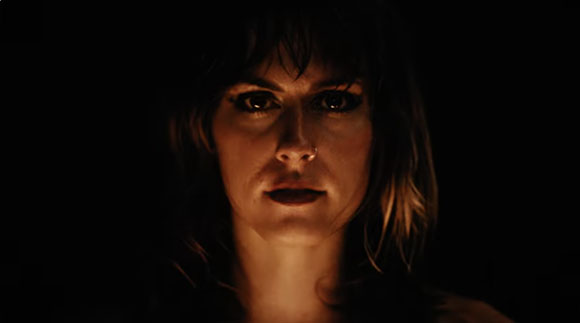
The color treatment for Hide was inspired by the overly saturated, gritty, and industrial look of 2000s music videos – something Rousseau would like to see more of.
“Our colorist Jeff Yang helped bring the image to life, as well as Nicole, having a pre-built show LUT ready for the shoot,” he explains. “I worked closely with the two of them in-person during the coloring process.”
Those who watch Hide closely will notice small touches that further enhance the footage. The flicker seen during the song’s bridge, for example, was achieved by the shoot’s gaffer, messing around with the lights – switching them on and off real fast.
“I stopped him in the moment and asked him to make a quick preset of it,” recalls Rousseau. “It was such a small add on, but it really emphasized the feedback coming from the guitarist, making it feel like the music was having an effect on the room.”