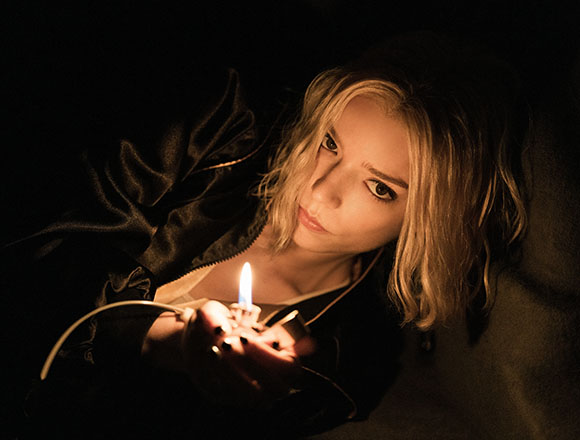

“I don’t want it to be perfect,” says César Alpuche, colorist at WeMakeColor (https://wemakecolor.com). “I want it to be imperfect in a pleasing way.”
Based in Mexico City, Alpuche has established himself as one of Mexico’s most distinctive colorists, working across music videos, commercials and long-form productions for artists that include Peso Pluma, Mon Laferte and Cristian Nodal, while also contributing to Netflix’s Pecados Inconfesables. Yet despite working in an industry increasingly defined by technical precision and ever-more sophisticated tools, he remains fascinated by something altogether less measurable: texture, atmosphere and the small imperfections that make an image feel alive.
That way of thinking didn’t emerge from color grading itself. It came long before that, through analogue photography, music and years spent teaching himself how digital images worked.
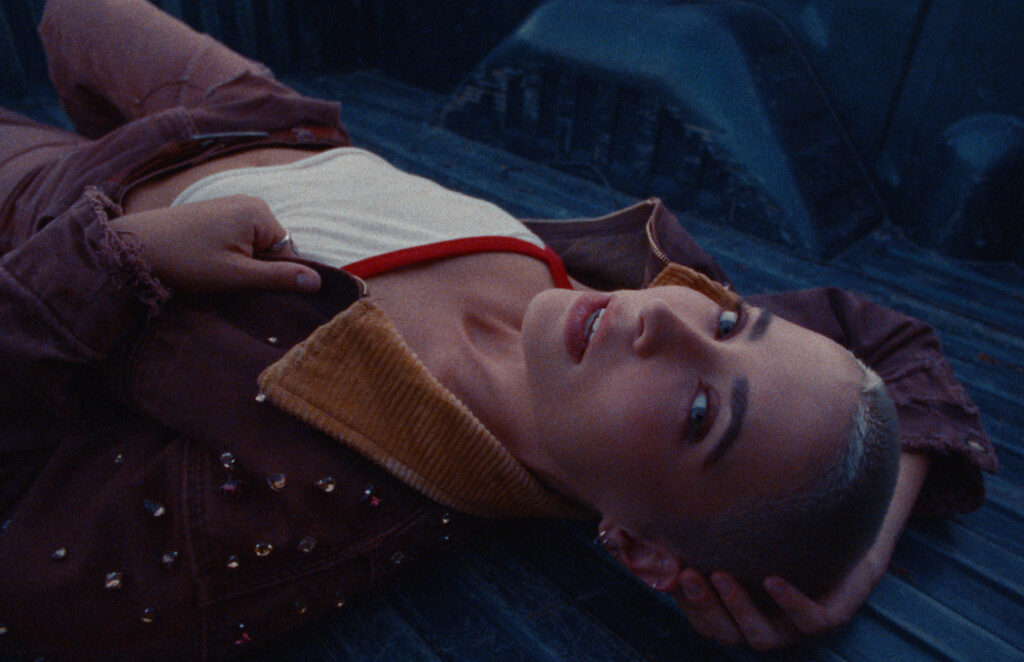
“I think people became obsessed with perfection after the HD revolution,” he says. “Everything had to be cleaner, sharper and technically flawless. But what fascinates me is the opposite. I love the grain, the texture, the little inconsistencies. Those imperfections make an image feel human.”
Starting off
Ironically, color grading wasn’t even on his radar when he began his career. Alpuche originally enrolled in medical school before switching to psychology, inspired, he laughs, by countless episodes of Frasier and an ambition to become a psychiatrist. It wasn’t until he later moved into Communication Sciences that his technical curiosity and creative interests emerged.
“I was basically raised by the internet,” he says. “I spent years downloading films, learning about codecs, compression and how digital video actually worked because I was obsessed with getting the best possible quality onto my iPod Video. Looking back, I was already teaching myself about moving images without realizing that would eventually become my career.”
His curiosity extended far beyond simply watching films. He experimented with data moshing, manually manipulating video files to create glitch effects, learned about camera technology and became an obsessive photographer. When his last digital camera was stolen, rather than replace it, he committed fully to analogue photography, developing his own negatives and eventually shooting large-format film. That experience continues to influence every project he grades today.
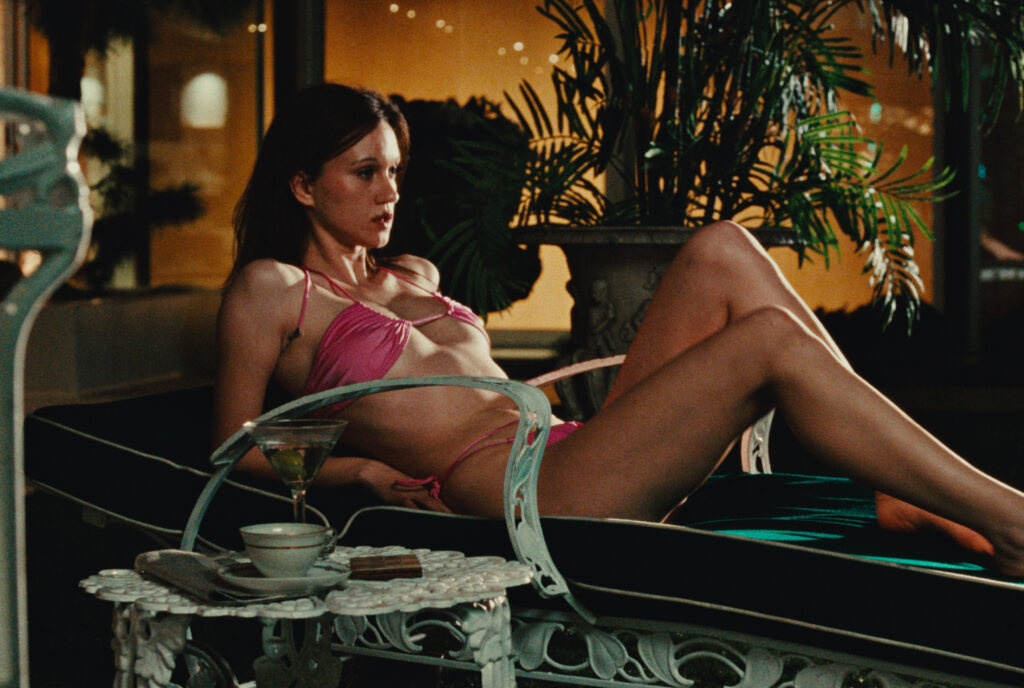
Grading emotion
“People often think analogue is about nostalgia, but that’s not really what interests me,” he explains. “It’s the philosophy behind it. Film isn’t perfect. It has limitations, grain, color shifts and texture. I’m not trying to recreate a particular film stock exactly. I’m trying to recreate the feeling people have when they watch film.”
That instinctive approach carries through to his work in the grading suite. While organization and technical preparation are essential, Alpuche says his real creative process begins only once everything is in place.
“I’ll get everything organized first because that’s important,” he explains. “But after that, I just start playing. I’ll find the hero shot and begin experimenting until something suddenly clicks. There’s always a moment where the image just comes alive. Everything suddenly makes sense, and that’s still the most satisfying part of the job.”
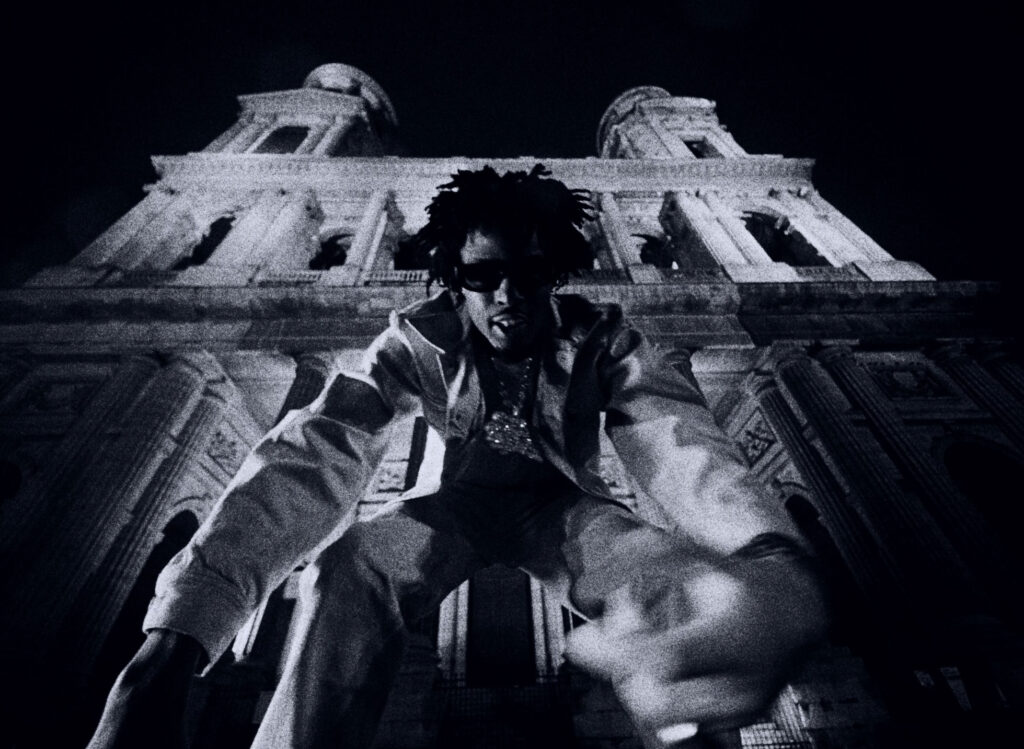
Experimenting with music
Music videos have become the perfect environment for that kind of experimentation. Unlike narrative productions, where continuity and subtlety often take precedence, music videos actively encourage visual risk-taking.
“They’re a playground,” he says. “Directors are constantly trying to create something people haven’t seen before. Sometimes they’ll ask me to push a look much further than I’d ever choose to myself. I’ll think the image is about to break and they’ll say, ‘Exactly — keep going.'”
Alpuche finds those creative risks rarely stay confined to music videos. Techniques discovered while experimenting on a three-minute promo often find their way into feature films and television months later.
“You learn things by accident,” he shares. “Later, you’re working on a completely different project and suddenly realize that’s exactly the solution you need for one particular scene.”
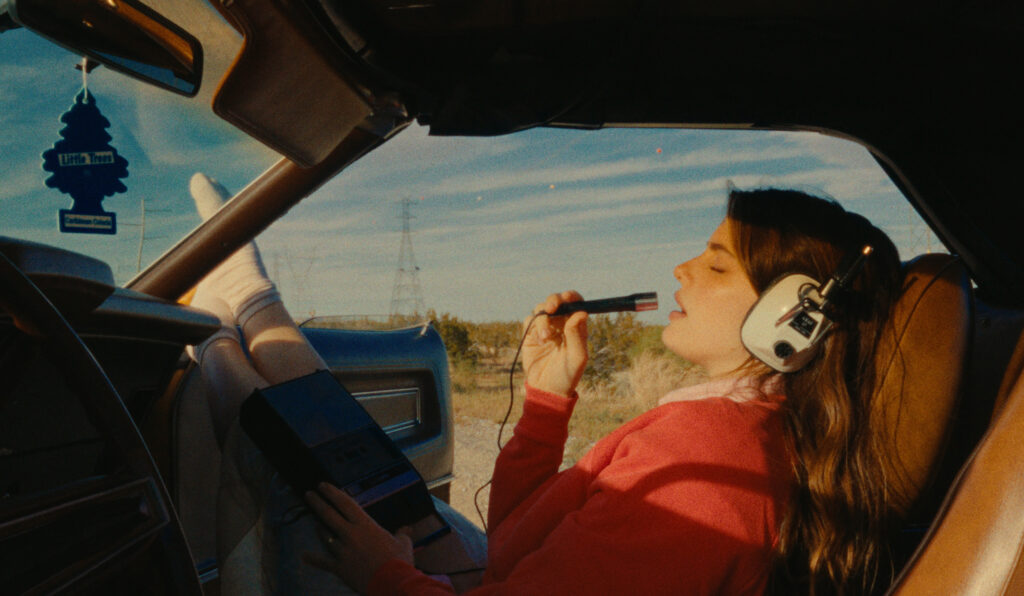
Pecados Inconfesables
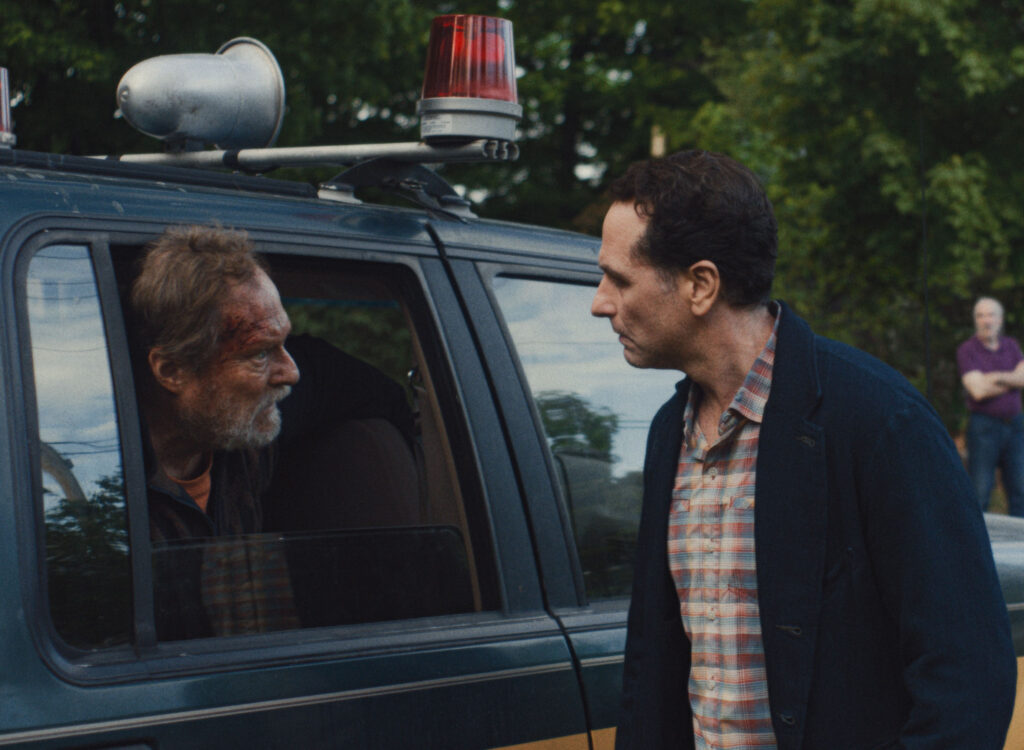
His first experience grading a major Netflix series involved working with WeMakeColor founder Felipe Martínez on Pecados Inconfesables (Unspeakable Sins), the Mexican thriller. Alpuche spent three months in Bogotá grading episodes for the production, learning not only the technical demands of episodic streaming workflows, but also something far more personal.
“I learned a lot about myself,” he says. “I thought I had to work 16 or 18 hours every day because that’s what success looked like.”
Instead, he found himself working with a team that encouraged healthier boundaries.
“I remember asking if I could come in over the weekend because I thought I was falling behind,” he recalls. “Their first question wasn’t whether I could — it was whether I’d be paid for those extra hours. Nobody expected me to sacrifice myself for the project. That completely changed my perspective. I realized respecting your own time doesn’t make you difficult, it just means respecting your work.”
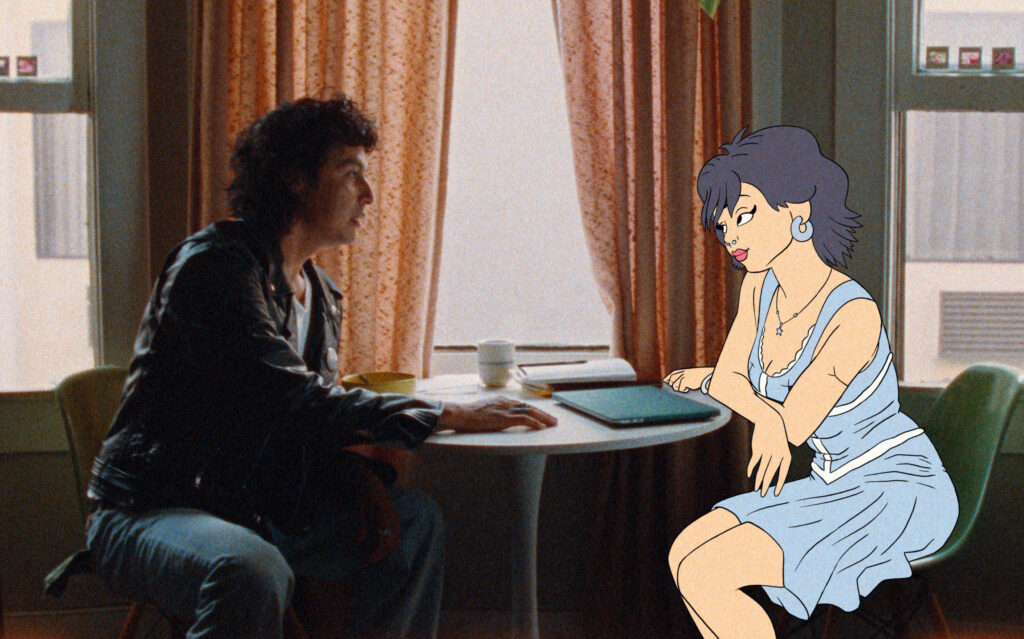
Colored in DaVinci Resolve
WeMakeColor
That same sense of trust is something he has found throughout WeMakeColor. His own relationship with the company began after discovering Felipe Martínez’s work online and reaching out, expecting little more than an opportunity to learn.
“I actually asked about an internship,” he laughs. “Felipe looked at my work and simply said, ‘Come work with us.'”
Five years later, Alpuche still sees that confidence as one of the defining moments of his career.
“Felipe trusted my taste before I really trusted it myself. That’s something I’ve always appreciated.”
He believes that philosophy extends across the entire company.
“WeMakeColor trusts people because of their eye. Everyone has their own voice, and that’s encouraged rather than molded into one house style. It’s a very relaxed environment without egos, and in post production, that’s actually quite rare.”
Challenging instincts
Today, Alpuche continues to balance commercial campaigns, music videos and long-form productions, always searching for projects that challenge his instincts rather than simply repeating familiar formulas. Whether grading a Netflix series or an independent film shot on leftover rolls of 16mm stock, the goal remains remarkably consistent.
“I’m always chasing that moment where the image suddenly becomes what it was supposed to be all along,” he says. “When that happens, everything else disappears.”