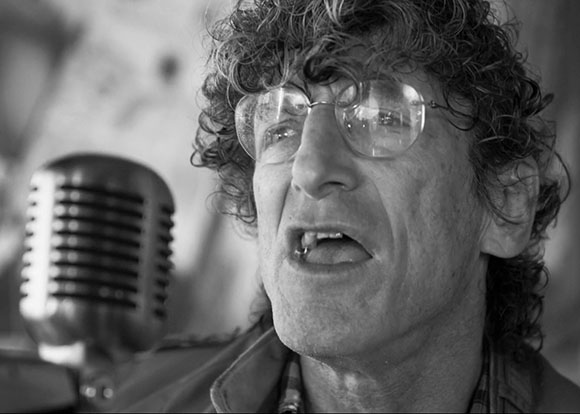
Burt is an indie dramedy about an aging street musician living with Parkinson’s disease. When a young man shows up claiming to be his long-lost son, Burt’s whole world is turned upside down. The feature, which is now streaming on Apple TV and Amazon Prime, was produced for just $7,000.
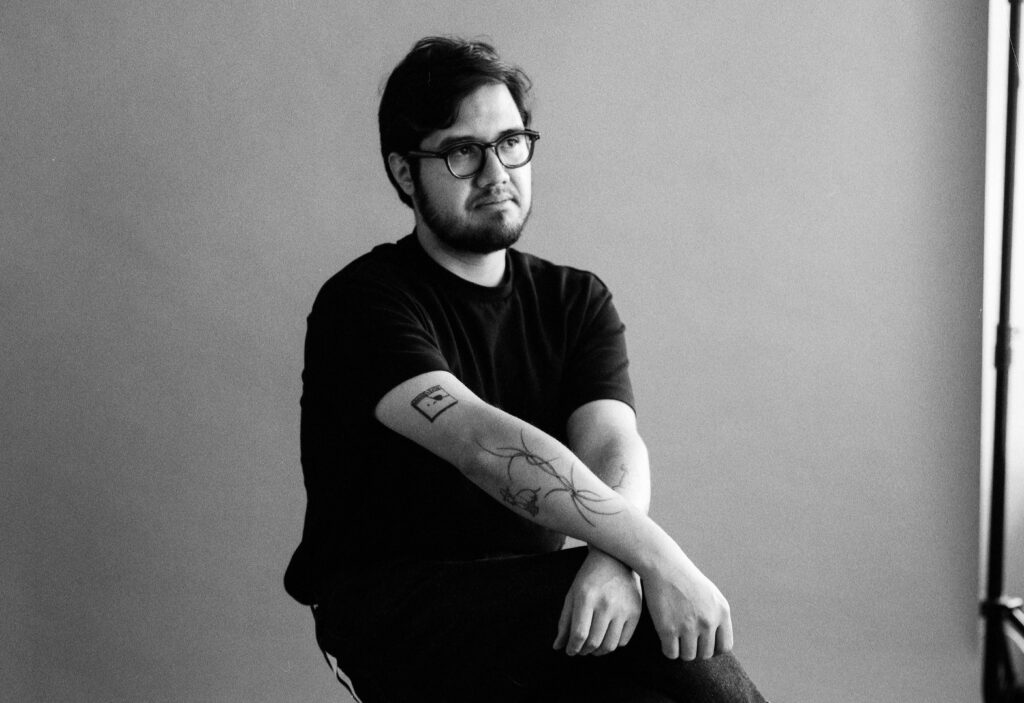
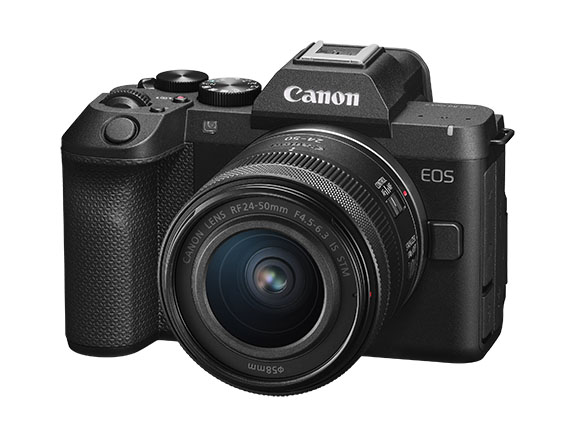
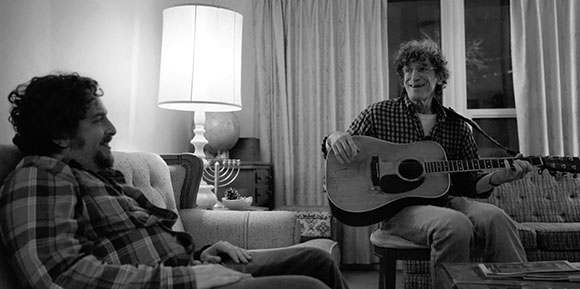
Daniel “Kenji” Levin served as cinematographer on the project and was able to employ a number of creative resources to overcome the limited budget. He shot in black & white using legacy Canon gear, including a 5D Mark IV and EOS R6. The feature was filmed in Burt’s actual childhood home, leaning into the comfort and intimacy that an authentic location can provide.
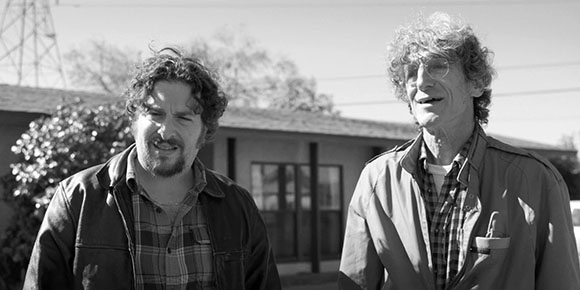
“I’ve known director Joe Burke for over two decades,” says Levin. “We attended the same film schools — Columbia College Chicago and the AFI Conservatory — share many of the same influences and speak the same cinematic language. That creative shorthand has made our style of filmmaking feel instinctive and alive. So, when Joe called to ask if I’d shoot Burt with him, Oliver Cooper, our longtime friend Burt Berger, and Burt’s real-life landlord Steven Levy, I jumped at the chance. I knew right away this was going to be a special project.”
Levin says Burke was upfront about the production’s challenges, which included just seven shooting days and a total budget of $7,000 for principal photography. For many, those constraints could be a dealbreaker.
“Knowing Burt personally, I was thrilled to finally help tell his story,” states Levin. “Rather than viewing our limitations as obstacles, we embraced them as creative boundaries that shaped the film’s visual identity. From day-1, our goal was clear: build authenticity into every frame.”
To stretch our budget, most of the gear was borrowed from friends.
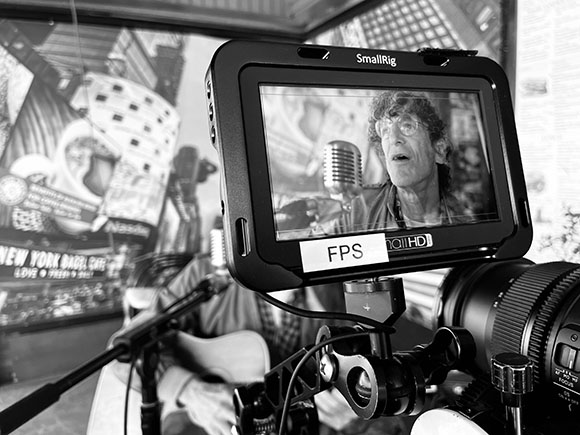
“We shot Burt on a Canon 5D Mark IV and a Canon R6, paired primarily with Canon L-Series zooms and a single Sigma zoom,” the cinematographer recalls. “Our lighting package was smaller than what you’d bring to a standard documentary interview, forcing me to be deliberate with every setup. Whenever possible, I relied on natural light, adding only what was necessary to preserve realism or heighten the emotional weight of a scene.”
The small footprint ultimately became one of the production’s greatest asset.
“I operated A-camera, while Joe took B-camera for cross-coverage,” he shares. “Most of the film was shot handheld, and without ACs. We pulled our own focus. The biggest advantage of our compact rigs was how easily we blended into the background. This gave Burt and Steven — neither a professional actor — the space to deliver deeply raw, honest performances, while letting us move fast and capture spontaneous moments as they unfolded.”